During Holy Week, many Catholics in Manila participate in a devotional journey through the city’s historic churches. In this blogpost, learn the notable churches you can visit, a recommended route is also given as well as important tips you can follow to have a more enriched and reflective Visita Iglesia in Manila.
What is Visita Iglesia?
Visita Iglesia is a Catholic tradition where devotees visit multiple churches, especially on Maundy Thursday to pray and reflect on the Passion of Christ. Traditionally, pilgrims visit seven churches, but some choose 14, corresponding to the 14 stations of the cross. It’s also a popular activity for families during Holy Week.
About Visita Iglesia in Manila
In Manila, Visita Iglesia is both spiritual and cultural. The city is home to many historic churches, each with its own story, patron saints, and architectural style. Participating in this tradition allows devotees to experience centuries of faith, artistry, and community in one pilgrimage. Many heritage churches are located close together, making it convenient to follow a meaningful route across Intramuros, Chinatown, Ermita, Malate, and northern Manila districts.
Heritage Churches for Manila Visita Iglesia
These heritage churches in Manila offer a meaningful way to experience Manila Visita Iglesia on Maundy Thursday, combining prayer with history and architecture. Each church reflects centuries of Catholic devotion, from Spanish colonial foundations to post-war reconstructions. Together, they highlight the diversity of religious orders, patron saints, and architectural styles across the city.
Pilgrims may choose to visit seven churches, follow the 14 stations of the cross, or complete all 15 heritage churches listed here. Each stop provides a unique space for reflection, allowing devotees to deepen their spiritual journey while appreciating Manila’s rich ecclesiastical heritage.
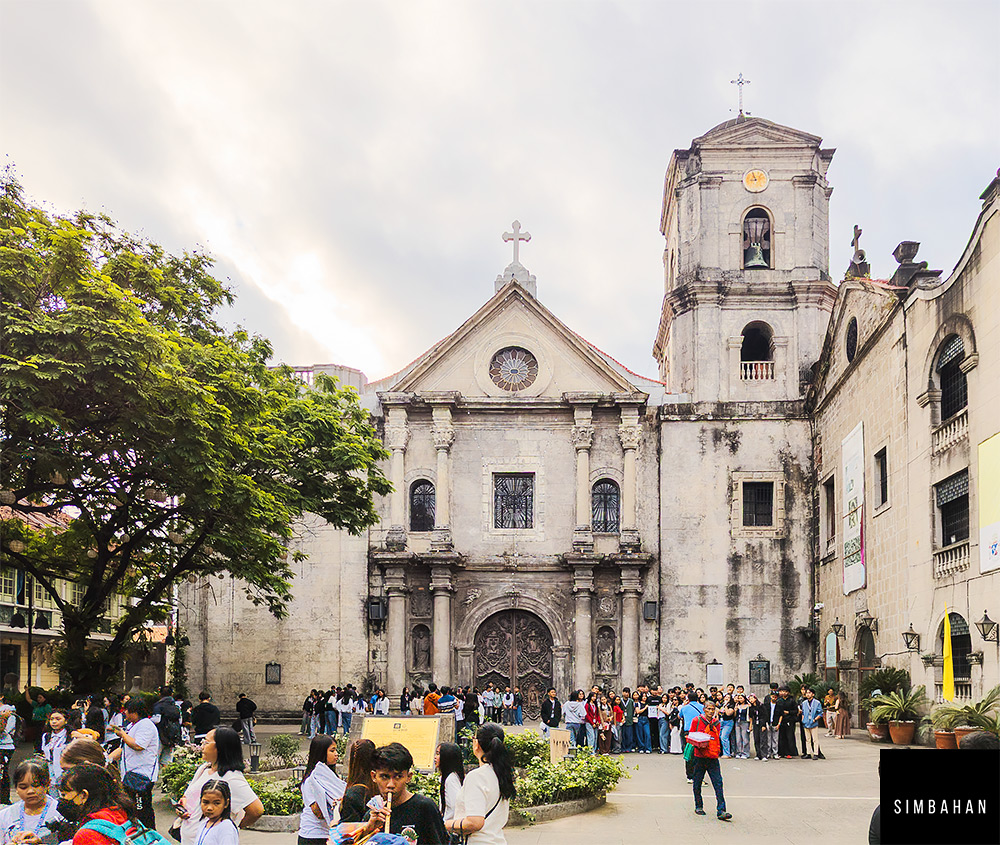
1. San Agustin Church (Archdiocesan Shrine of Our Lady of Consolation and Cincture)
Built by the Augustinians in 1607, San Agustin is the oldest stone church in the Philippines. Located in Intramuros, it survived earthquakes and wars. Notable for its baroque architecture, trompe-l’oeil ceilings, and a museum with religious artifacts. It is a UNESCO World Heritage Site. This church is a must in your visita iglesia in Manila.
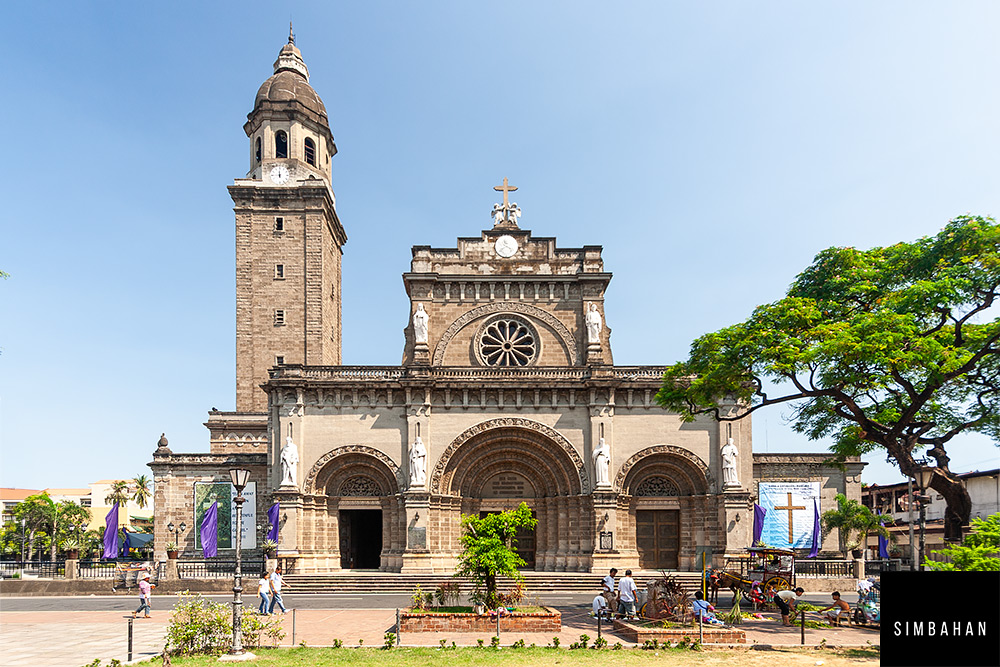
2. Manila Cathedral (Cathedral-Basilica of the Immaculate Conception)
Originally built in 1581 and rebuilt multiple times, the Manila Cathedral is the seat of the Archbishop of Manila. Constructed by secular clergy, it features Romanesque and Neo-Romanesque design with notable stained glass windows.
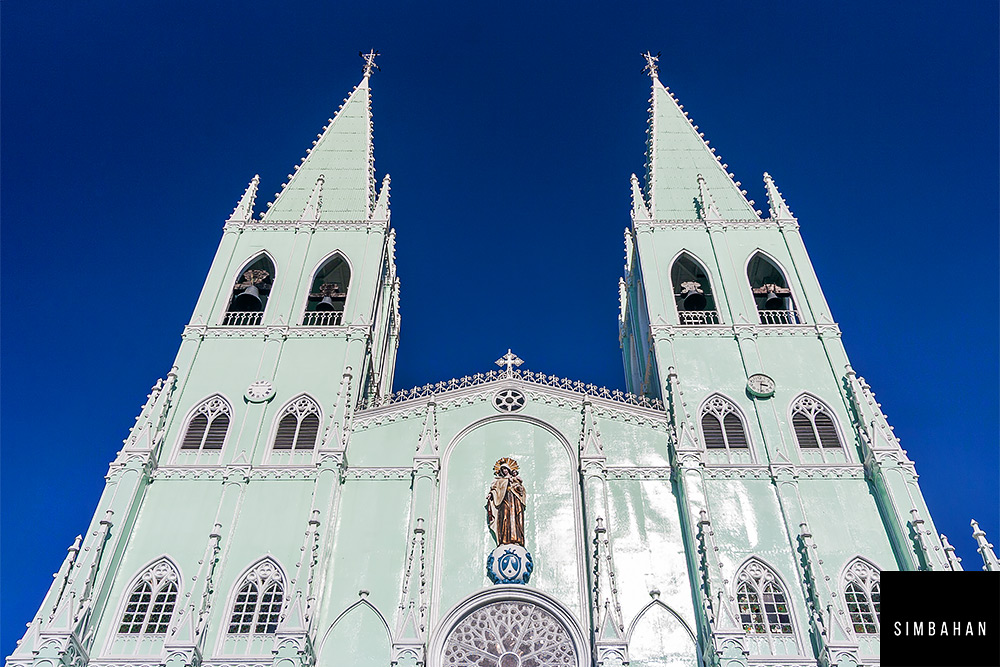
3. San Sebastian Basilica (Minor Basilica and Parish of Saint Sebastian)
Constructed in 1891 by the Augustinian Recollects, this basilica is the only all-steel church in Asia. Neo-gothic in style, it was designed by Spanish architect Genaro Palacios y Guerra. It used steel prefabricated in Germany. Declared a National Historical Landmark, it is known for its spires and stained glass.
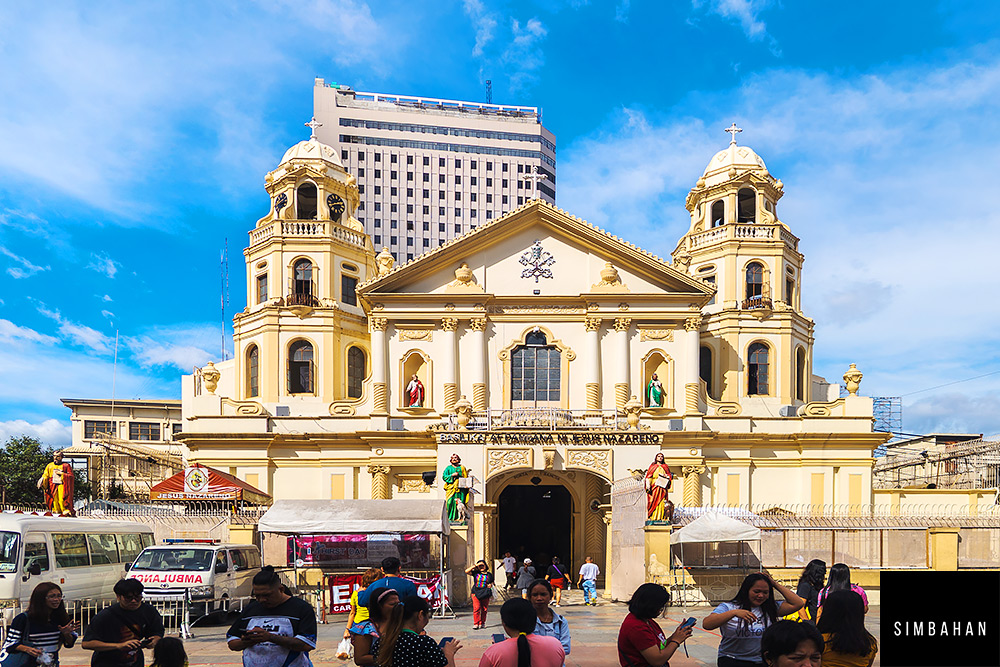
4. Quiapo Church (Minor Basilica of the Black Nazarene)
Establishe by the Fransiscans in 1588, Quiapo Church is famous for the Black Nazarene and the annual Traslación procession, attracting millions of devotees. The church is a center of intense popular devotion in Manila.
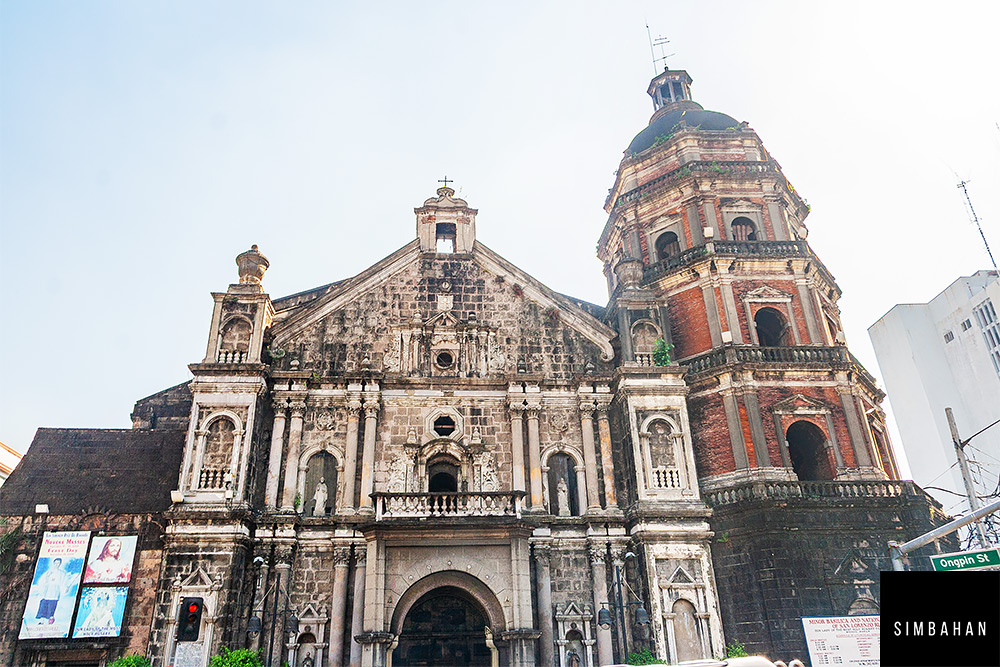
5. Binondo Church (Minor Basilica and National Shrine of Saint Lorenzo Ruiz)
Constructed by Dominican friars in 1596 (current structure 1852), Binondo Church honors St. Lorenzo Ruiz, the first Filipino saint. Located in Chinatown, it is Baroque in style and known for its shrine to the saint.
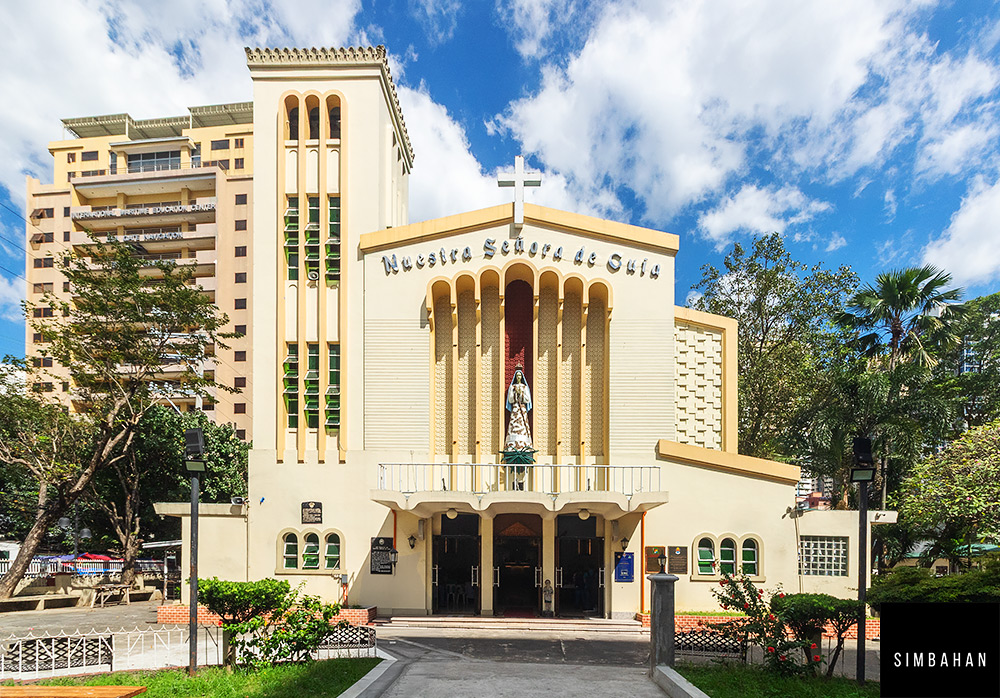
6. Ermita Church (Archdiocesan Shrine of Nuestra Señora de Guia)
Founded in 1571, Ermita Church served the Ermita district and Rebuilt in 1953 after war damage, it is the home of the marian image of Nuestra Señora de Guia.
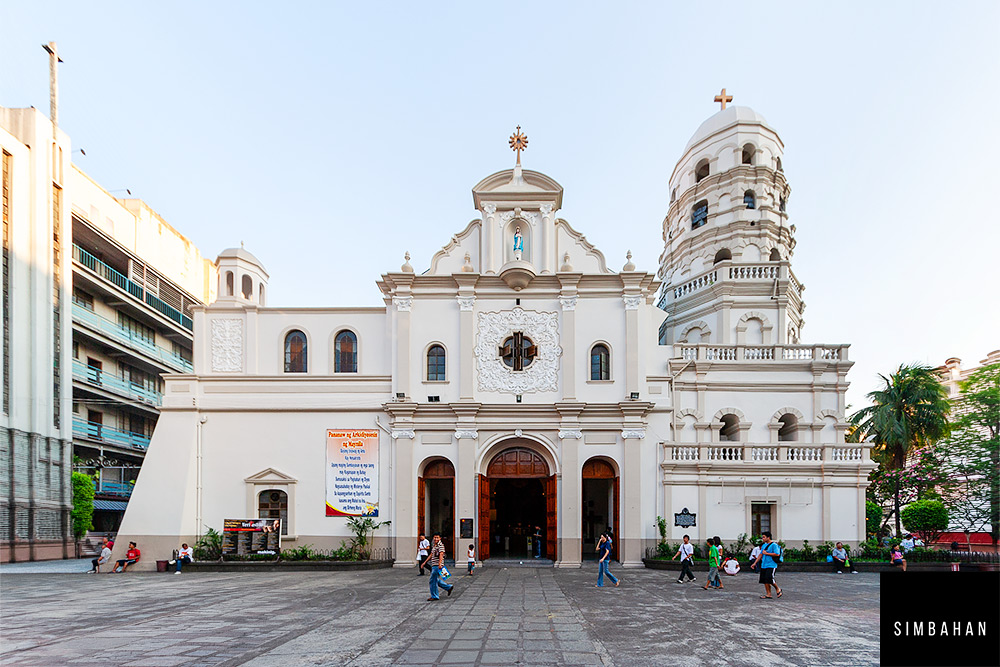
7. Sta. Cruz Church (Minor Basilica of Our Lady of the Pillar and the Archdiocesan Shrine of the Blessed Sacrament)
Built in 1619 by the Jesuits, Sta. Cruz Church is dedicated to the The Our Lady of the Pillar. The current structure dates to 1957 in the Missionary Revival style.
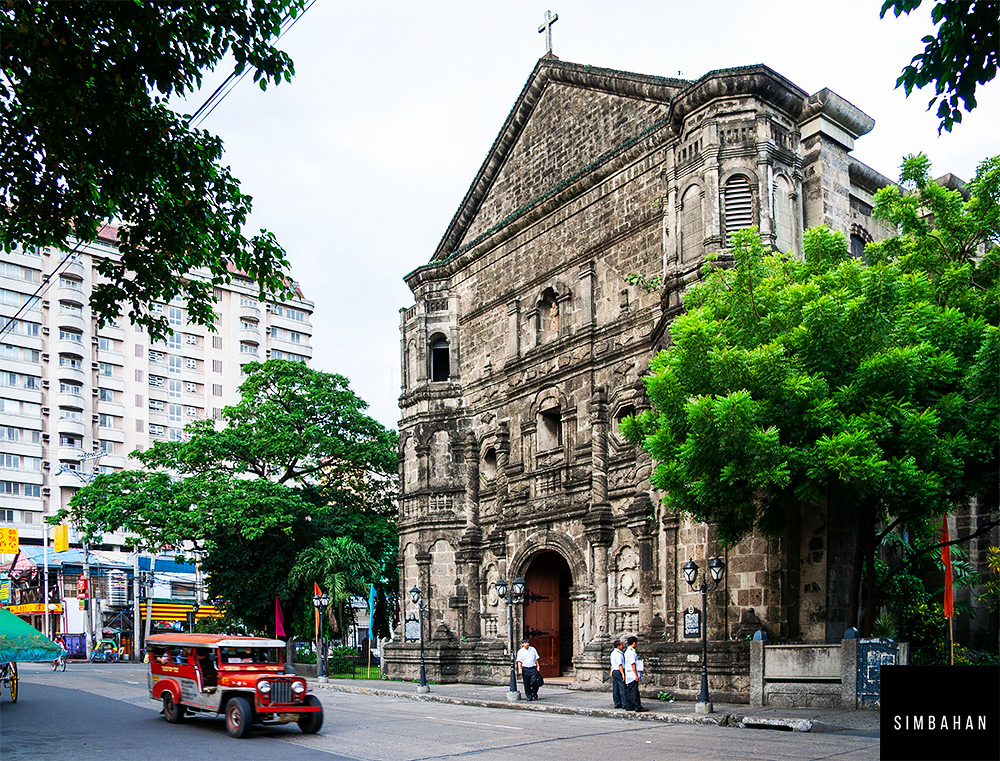
8. Malate Church (Our Lady of Remedies)
Founded in 1588 by the Augustinians, Malate Church serves the seaside Malate community. The current structure from 1864 houses and celebrates the annual fiesta of Our Lady of Remedies.
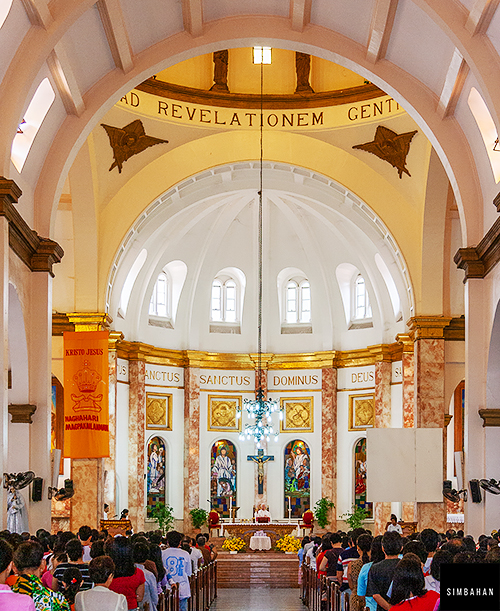
9. Paco Church (San Fernando de Dilao)
Built by the Franciscans in 1580, Paco Church was rebuilt in the 1930s after damage from disasters. Dedicated to San Fernando of Castille,, it is a historic church popular for local devotion.
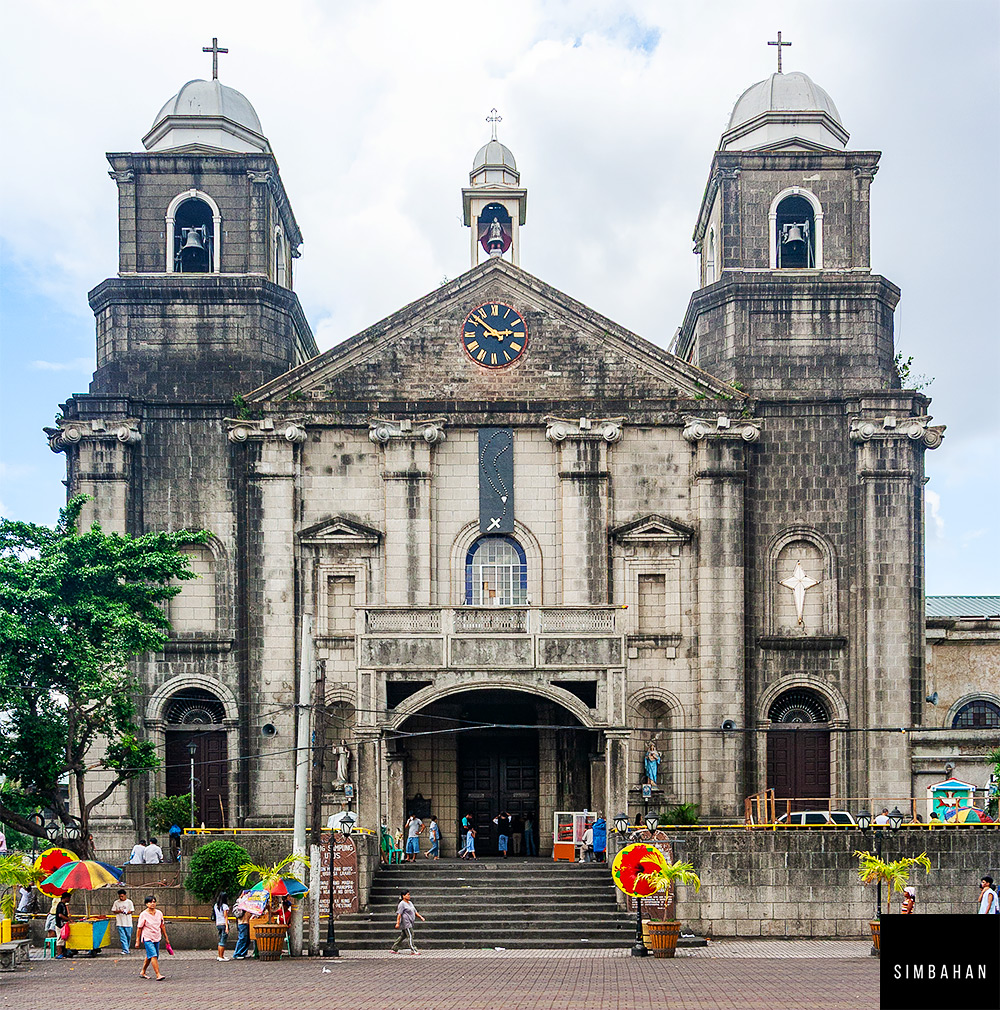
10. Tondo Church (Minor Basilica and Archdiocesan Shrine Parish of Santo Niño de Tondo)
Founded in the 1572 by the Augustinians, this church served the Tondo district. During the last days of WWII, it opened its doors to refugees. It is dedicated to Sto Nino de Tondo and known for its active parish community.
11. Our Lady of Peñafrancia Church (Archdiocesan Shrine of Our Lady of Peñafrancia)
Constructed in 1955 and managed by secular clergy, this church serves the Bicolano community in Manila. Dedicated to Our Lady of Peñafrancia, it mirrors the devotional shrine in Naga City.
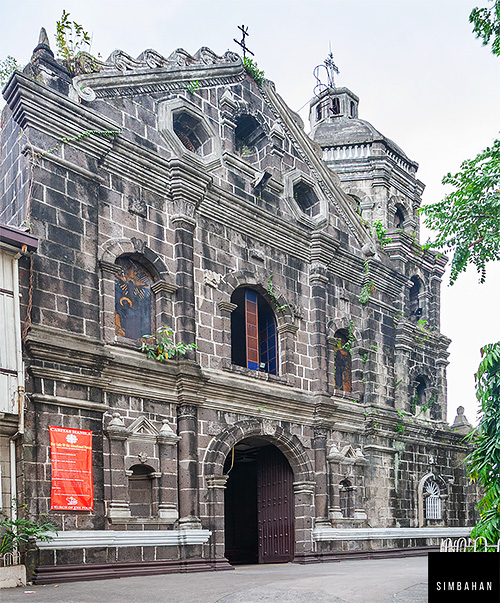
12. Sta. Ana Church (National Shrine of Our Lady of the Abandoned)
Founded in 1578 by the Fransiscans, Sta. Ana Church is dedicated to Our Lady of the Abandoned. It is notable for its Baroque retablo and long-standing parish history.
13. San Miguel Church (National Shrine of Saint Michael and the Archangels)
Founded in 1603 by the Jesuits and the present church built in the 1913, San Miguel Church is dedicated to St. Michael the Archangel. It is historically connected to Malacañang Palace.
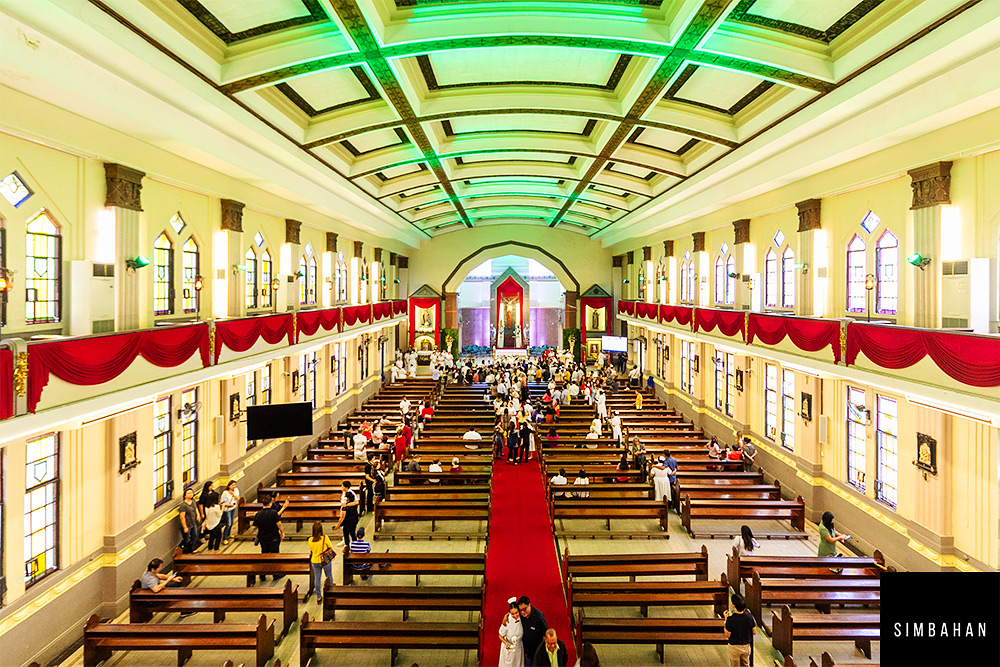
14. Santissimo Rosario Church (UST)
Part of the University of Santo Tomas as the Central Seminary the structure was built in the 1930s in the Art Deco style, one of a few in the Philippines.
15. Sampaloc Church (National Shrine and Parish of Our Lady of Loreto)
Founded and built in 1613 by the Fransciscans, it has been rebuilt over time with the current church built in 1958 after the old church was destroyed during the war. This church is dedicated to Our Lady of Loreto. It is a popular devotion site for students and locals and is perpendicular to the San Antonio de Padua Shrine.
Recommended Route for Manila Visita Iglesia
For a meaningful Maundy Thursday pilgrimage, this route is designed to help devotees visit Manila’s heritage churches efficiently while reflecting on the Passion of Christ. It starts in Sta. Ana, moves through the different churches in the area then to Malate, and Ermita. It then heads to Intramuros, continues to San Sebastian and San Miguel areas, passes Sampaloc, then Quiapo, Sta. Cruz, Binondo, Tondo, and ends at UST. This order balances convenience and prayerful reflection, combining walking and short rides.
Start in Southeast Manila:
- Sta. Ana Church (Sta. Ana) – 1578, Fransciscans
One of Manila’s oldest parishes outside Intramuros, featuring a Baroque retablo. It’s a peaceful place to begin your pilgrimage. - Paco Church (Paco) – 1580s/1930s, Franciscans
Dedicated to San Fernando of Castille, The church is also deeply associated with the devotion to the Señor del Santo Sepulcro and holds historical roots with Nuestra Señora de Candelaria. - Our Lady of Peñafrancia Church (Manila) – 1955
Located in Paco, Manila (on Gomez Street), serving as a significant center of devotion to “Ina” for Bicolanos and devotees in Metro Manila.
Move to Malate and Ermita:
- Malate Church (Malate) – 1588, Augustinians
Seaside Baroque church dedicated to Our Lady of Remedies, serene and visually striking. - Ermita Church (Ermita) – 1571/1953
Peaceful church dedicated to Our Lady of the Remedies, rebuilt after wartime destruction.
Head to Intramuros:
- San Agustin Church (Intramuros) – 1607, Augustinians
Oldest stone church in the Philippines, UNESCO World Heritage Site, with Baroque interiors and trompe-l’oeil ceilings. - Manila Cathedral (Intramuros) – 1581/1958, Secular clergy
Neo-Romanesque cathedral, seat of the Archbishop, rich in history and stained glass art.
San Sebastian, San Miguel and Sampaloc areas:
- San Sebastian Basilica (Quiapo) – 1891, Augustinian Recollects
All-steel Neo-gothic church, National Historical Landmark, architectural marvel with spires and stained glass. - San Miguel Church (San Miguel) – 1603/1913
Neo-Romanesque church near Malacañang Palace, dedicated to St. Michael the Archangel.
- Sampaloc Church (Sampaloc) – 1613/1958
Neoclassical design, Our Lady of Loreto, popular among local devotees.
Northern Manila/Quiapo, Sta. Cruz, Binondo, Tondo:
- Quiapo Church (Quiapo) – 1588, Fransiscans
Home of the Black Nazarene, central to Manila’s popular devotion. - Sta. Cruz Church (Sta. Cruz) – 1619/1957
Missionay Revivial, and dedicated to the Our Lady of the Pillar. - Binondo Church (Binondo) – 1596/1852, Dominican friars
Honors St. Lorenzo Ruiz, first Filipino saint, located in Chinatown. - Tondo Church (Tondo) – 1611/1880s, Augustinians
Historic parish dedicated to Sto Nino de Tondo. - Santissimo Rosario Church (UST, Sampaloc) – 1930s, Dominican friars
Church on UST campus in the Central Seminary, known for its Art Deco style.
The groupings and route here are for your convenience although you can always decide to choose where to start and go around the city.
Tips for Your Visita Iglesia in Manila
1. Start Early
Traffic in Manila can get heavy, especially on Maundy Thursday. Begin your pilgrimage in the morning to comfortably cover some or even all 15 churches.
2. Wear Comfortable Clothing and Shoes
Dress modestly for church visits by covering shoulders and knees. Wear comfortable shoes for walking and short rides between churches.
3. Bring Essentials
- Water and light snacks to stay hydrated and energized.
- Small bag for personal items and any devotional materials like a rosary or prayer book.
- Face mask and hand sanitizer, especially if churches are crowded.
4. Plan Your Transportation
- Walking is fine in Intramuros, Quiapo, and nearby areas.
- Use taxis, Grab, or private transport for longer distances like Malate, Sta. Ana, or Sampaloc.
5. Be Prepared for Crowds
Some churches, like Quiapo, San Sebastian, and Binondo, are very crowded on Maundy Thursday. Be patient and allow extra time for prayer and reflection.
6. Respect Church Etiquette
- Keep your voice low.
- Avoid taking photos where it’s prohibited.
- Follow any guidelines posted by the parish.
7. Bring a Notebook or Camera (Optional)
If you like, you can jot down reflections or take photos of architecture and historic details, but always prioritize prayer and reflection first.
8. Know the Stations of the Cross
If you’re doing the 14-church tradition, mentally associate each church with a station to make your Manila Visita Iglesia more meaningful.
9. Allow Flexibility
Traffic, queues, or devotion schedules may affect timing. Be flexible and focus on the spiritual experience rather than rushing.
10. End With Reflection
Finish your pilgrimage at a quiet church, like Santissimo Rosario Church (UST) or Sta. Ana Church, to pray and reflect on the day.